
The Influence of Art on Wellbeing
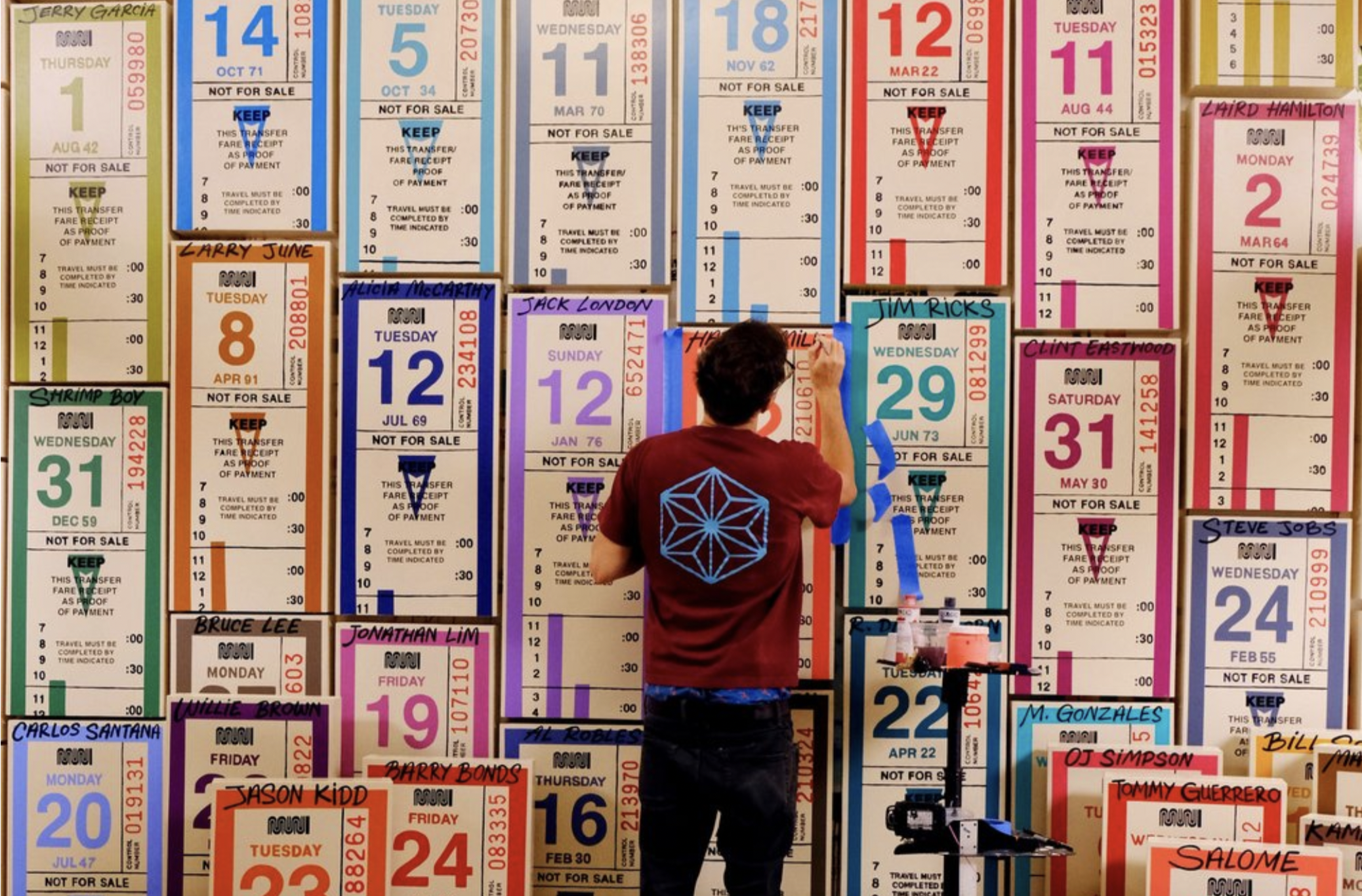
Jamie Randel | Marketing Intern, San Francisco, CA
There's more to art than meets the eye. That is, art impacts the brain and can actually provide a host of cognitive benefits and improve overall wellbeing. We are evolutionarily wired for the arts; they are a have-to-have for our health. 1 Historically, people have turned to artistic outlets around the world to prevent and treat illness, express joy, ease grief, and build community. Now, research increasingly finds that art has a statistically significant impact on improving wellbeing through social and psychological benefits, as well as progression opportunities. 5
The NeuroArts Blueprint Initiative is a partnership between the Johns Hopkins International Arts + Mind Lab Center for Applied Neuroaesthetics and the Aspen Institute’s Health, Medicine & Society Program. It defines ‘neuroarts’ as the “transdisciplinary study of how the arts and aesthetic experiences measurably change the body, brain, and behavior and how this knowledge is translated into specific practices that advance health and wellbeing". 4 This initiative investigates how exposure to arts of all kinds fosters interconnectivity across a vast and complex neuron network. 4 This in turn, influences how we process and perceive creative experiences, due to the brain’s agility. 4 Besides, what the research describes on a neurological level, art lovers describe emotionally: The sense that art changes the way a person or room feels when engaged with.
Neuroarts is the bridge between recent, revolutionary advances in technology and the artistic traditions throughout history. New imaging capacities, portable devices, and wearable sensors that allow observation of how the brain changes, nanosecond by nanosecond, in response to stimuli, provide scientific explanations and underpinnings. 4 Being able to map what happens as we take in the world through all forms of sensory perception is key in understanding the ways art changes the brain, biology, and behavior. Anyone who has ever paused in front of a painting and felt their shoulders loosen instinctively or been captivated in contemplation understands what the research is now capturing in data.
"The brain systems that engage with reward, motor activity, perception, and the senses are stimulated by art in ways unmatched by anything else." 4
Participating in art has a positive effect on various cognitive functions. For instance, drawing improves concentration and memory. Drawing also stimulates the brain’s creative processes; in turn helping with problem-solving skills and the ability to think outside of stereotypes. 2 This participation in art can have a calming effect, reducing stress and improving overall sense of wellbeing. 2 Notably, it's not only making art yourself that provides a psychological benefit, but participating in the arts as the beholder enhances health and wellbeing by expressions of self, experience, imagination, and creativity. 4 When you look closely at a work of art, your brain can begin to mimic the neural activity of the artist who created it. New neural pathways form and a state of inspiration is stimulated that accordingly has a positive impact on consciousness, self-reflection, and personal memories. 2 There’s no need to be a master painter or ceramist to be rewarded with the wellbeing influences of art. Sometimes witnessing someone else’s expression is what allows you to understand your own. Artists’ vulnerability by way of their work makes space for an immense level of understanding, just by attending a gallery show or museum–where most people commonly experience art. Making personal connections with contemporaries is all the more valuable cognitively, as insights into artwork deepen so do the opportunities for neuro stimulation and benefits accordingly.
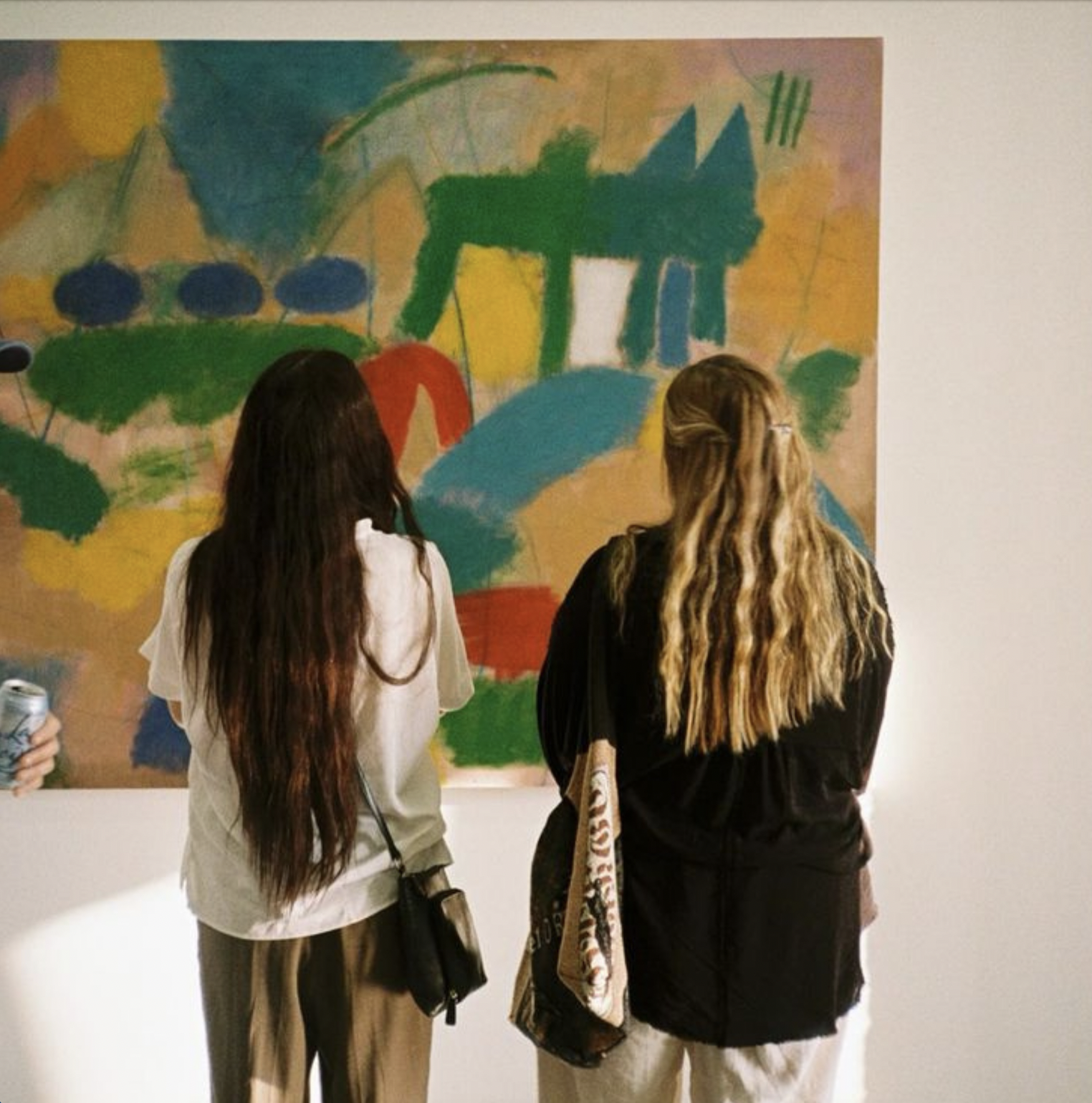
Engaging in arts and culture in your everyday life can encourage physical activity, reduce stress and isolation, and help with substance recovery processes. 6 Thus, The Massachusetts Cultural Council started the Culture Rx Initiative with the aim of formally integrating art into public health and social care systems. 6 Arts on Prescription programs are one way to improve psychosocial wellbeing with this approach. 5 Art in community spaces can become a lifeline or something to hold on to and engage with in difficult times without demanding anything in return. Neuroarts helps harness and mobilize the biological impacts of art as well as realize the potential of art in this context. The science helps explain why a space or home infused with art feels more alive, comforting, and reflective of the people present there.
The World Health Organization finds evidence of the contribution of the arts to the promotion of good health and the prevention of a range of mental and physical health conditions. 3 C-lective offers the optimal way to gain that necessary interaction of art in your day to day life. The introduction of fresh pieces of art quarterly provides constant art connection in your own home rather than few and far between stimuli you encounter at the occasional museum visit. Furthermore, the rotating gallery model is more invigorating for the brain than a single, permanent piece of art. C-lective makes experiencing new art accessible with different artworks installed throughout the year. Living with art isn’t passive; it’s an ongoing relationship that evolves as you do, revealing new details and moments of discovery. Since C-lective connects with each member to understand their preferences, tastes, and knowledge regarding fine art, every art piece is carefully curated to pave the way to an enjoyable, yet new and thought-provoking experience. Interacting with art can shape not just the brain but the texture of everyday life. The ability to have psychologically stimulating contemporary art at home is the privilege C-lective provides, while you reap the art’s health and wellbeing benefits.

Works Cited:
Brown, J., Azzi Davenport, A., & Thoet, A. (2023, May 30). How a blend of science and art is improving neurological health. PBS News. https://www.pbs.org/newshour/show/how-a-blend-of-science-and-art-is-improving-neurological-health
Ceaușu, F. (2025). THE COGNITIVE BENEFITS OF ART. Review of Artistic Education, 30, 314–320. https://www.ceeol.com/search/article-detail?id=1342542
Fancourt, D., & Finn, S. (2019). What is the evidence on the role of arts in improving health and wellbeing? A scoping review. World Health Organization Regional Office for Europe. https://iris.who.int/server/api/core/bitstreams/e1cc8536-773d-446f-9822-8ae376f41415/content
International Arts + Minds Lab. (2024). What Is Neuroarts? NeuroArts Blueprint. https://neuroartsblueprint.org/what-is-neuroarts/
Jensen, A., Holt, N., Honda, S., & Bungay, H. (2024). The impact of arts on prescription on individual health and wellbeing: a systematic review with meta-analysis. Frontiers in Public Health, 12(9). https://doi.org/10.3389/fpubh.2024.1412306
Mass Cultural Council. (2025). CultureRx Initiative | Improving health and well-being through cultural participation. Mass Cultural Council . https://massculturalcouncil.org/communities/culturerx-initiative/