
The Trouble with “Timeless"
Courtney Sharps | Co-Founder & Curator, San Francisco, CA
Semantic satiation is a psychological phenomenon where repeating a word or phrase too many times causes it to temporarily lose its meaning, turning it into a sequence of meaningless sounds. The word timeless is joining that phenomenon. My algorithm is full of ways to design a timeless wedding, select timeless furniture, curate a timeless wardrobe, create a timeless home, even how to develop timeless taste. I understand the appeal of being able to look back on old memories and think to yourself that the choices you made in that moment aged well because they still align with your aesthetic tastes and values. But where’s the fun in that?
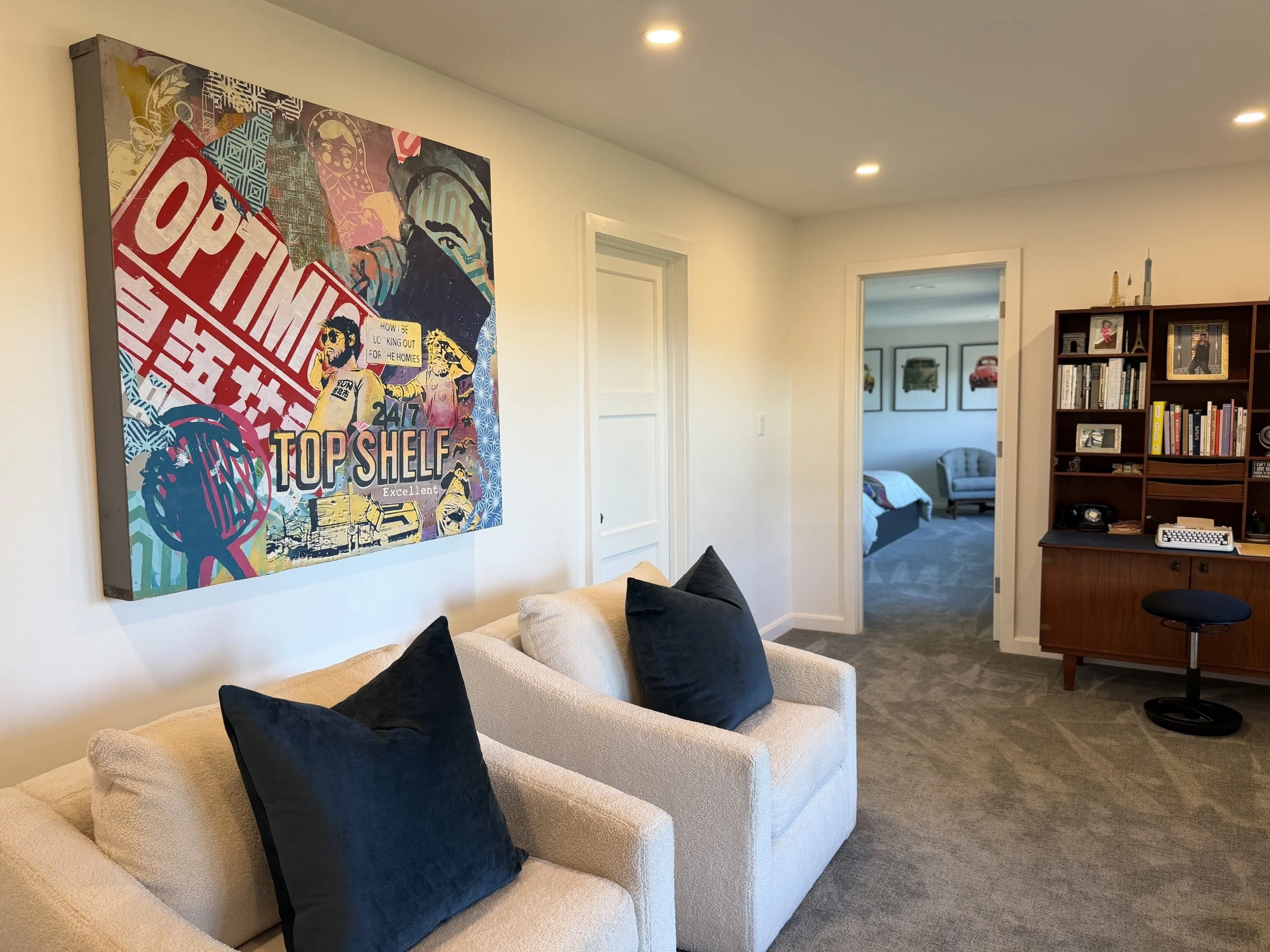
Installation of acquired C-lective artwork at a member’s home
When it comes to art, the idea of curating for a timeless life is holding us back. We don't collect art for some hypothetical future version of ourselves. We live with art because we're living now. Why is evergreen our goal? Why is selecting pieces of art and curating moments that could live in a vacuum the highest form of taste? There is trouble with timeless particularly because we don’t live in a vacuum. We live in the now, and our choices should reflect that. Memories hold an array of feelings, but as we age, most, hopefully, capture and play back to us a fondness. Your art should age this same way - purchased in the present, treasured in the future, and looked back on with fondness as a marker for your taste, interests, and connections of that time. The best things don't have to escape time. They get to become part of it.
What is a timeless aesthetic? To some, timeless means safe, reliable, resilient, resistant to trends, and investment-worthy. There’s nothing wrong with any of these things. It’s actually very deep in our nature to seek these ideals out, as we strive for longevity and safety. However, we may unintentionally be causing profound sameness. with sameness. Many of us feel this urge to curate a life that ages well and could exist out of time. But we don’t. Our lives are very much finite, and orchestrating our lives to look and behave like everyone else’s is a waste of the unique roadmap we all navigate within our own lives. We have a million different options at our disposal, arguably the most choice humankind has ever had access to before, and we squander the possibility of uniqueness for millennial grey.
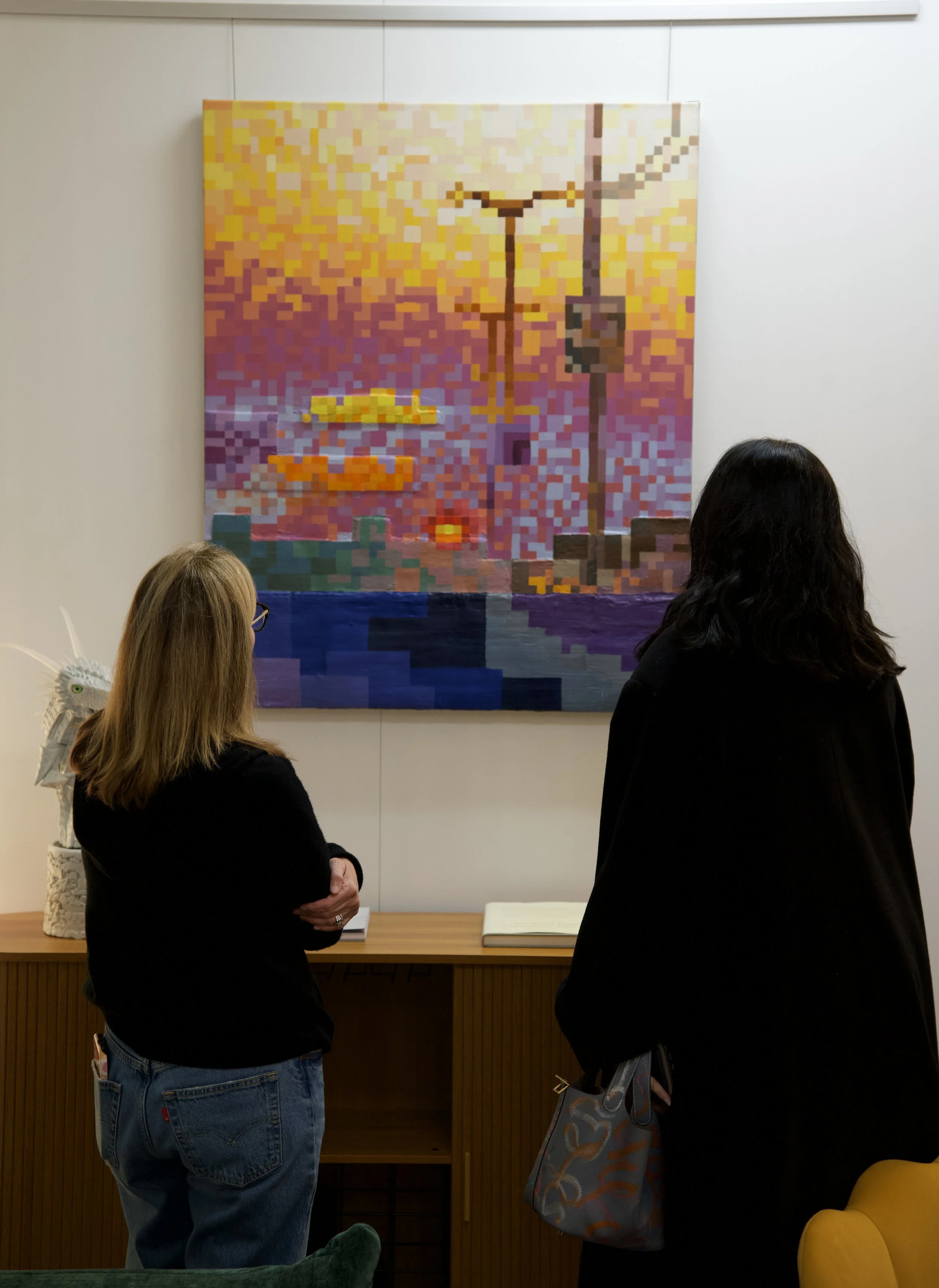
C-lective Member & Artist discussing work at Studio 124
Think back to your fondest memories. Go look through old photo albums-sure, on your camera roll, but I encourage you to dig through the physical ones as well, the ones we used to get printed, or even developed. Was your hairstyle at your first school dance timeless? No. Was it a style you’d choose again? Most likely not. But that hairstyle a catalyst for memory–they're the things that belong to and invoke particular moment in our lives.
We sometimes approach buying art as though we're selecting a piece for some hypothetical future version of ourselves. Will it still be sophisticated in 10 years? Will it go with whatever decor we have next? Is it a “smart” investment? These are worth-while thoughts. These questions are seeking safety, reliability, resistance, and, unfortunately, sameness. Now this is not to say that contemporary art is not a smart long term investment - every great piece of art at one point in time was contemporary! Investing in artists now is a wonderful financial investment, as well as personal and emotional, because you’re getting in on the ground floor of their career that will have it's own story and trajectory, of course with the right support, including yours. You’re also getting to know an artistic, inspiring individual who has the skill to create something very special inside you and inside your home. Do you love living with this art now? If so, let’s expand on that: exciting to wake up to, connected to a particular season of your life, a reminder of where you lived, a reminder of who you were, something that changed how a room felt, and something you discovered at a particular moment. It can be timeless, sure, but it should be more than that.
An artwork’s connection to a particular chapter of your life may be part of what makes it worth keeping. I implore you to consider the beauty of the now and think about how art can grow with you. Your taste changes. Your home changes. Your life changes. And the work both documents your journey and comes along with you.
It doesn't need to be timeless. It needs to be yours.
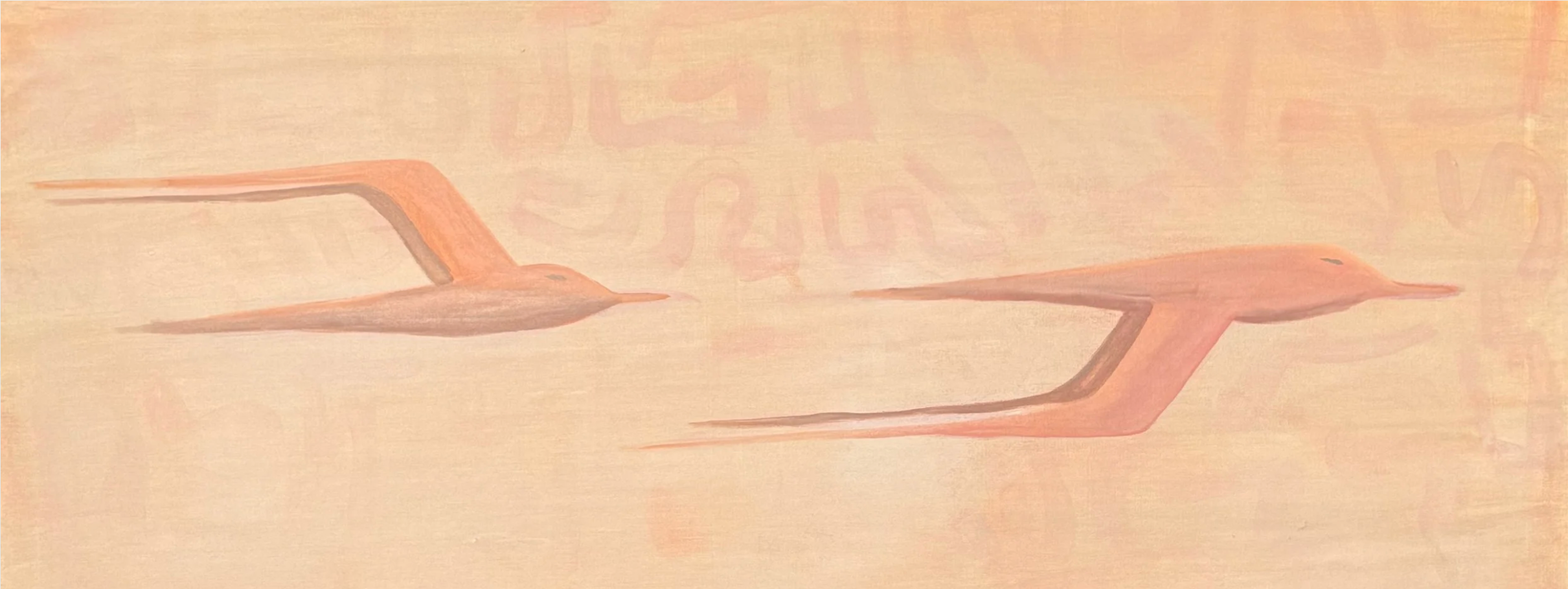
Artwork by Stanton Dodson, C-lective Artist
